
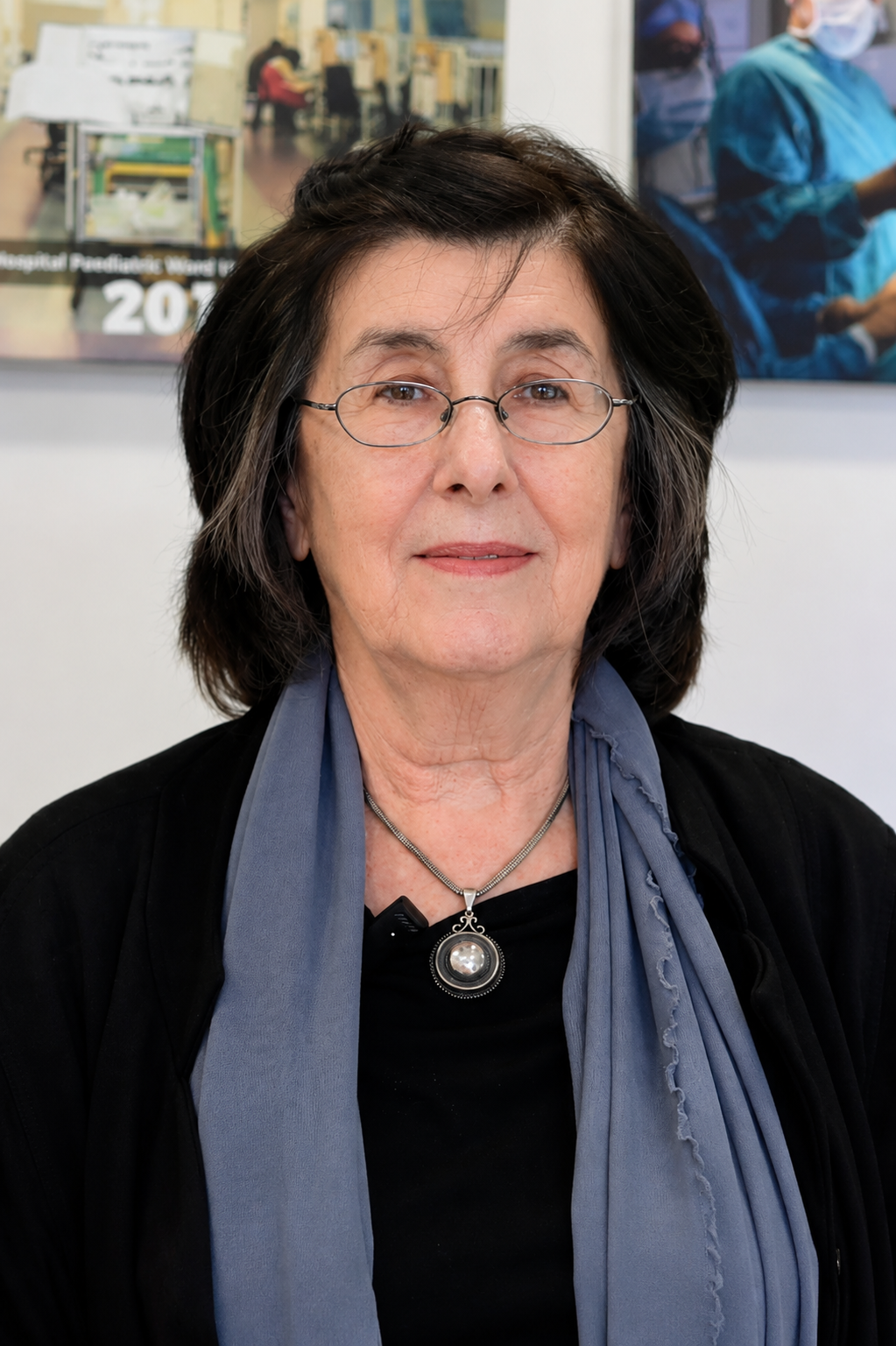
For 12 years, Diana was the public relations officer for the Red Cross War Memorial Children’s Hospital. When she picked up the phone, she never knew what to expect. She could find herself talking to a desperate parent searching for help, or the public relations team of a world-famous film star. The Hospital attracted attention from all quarters. And with good reason.
It was the late 1990s, and the Red Cross Children’s Hospital had been on the brink of closure before the establishment of the Children’s Hospital Trust in 1994. The Trust had been responsible for an expansive fundraising campaign and the construction of a brand-new outpatient facility. The world had its eyes on the groundbreaking work happening within the Hospital walls.
Major surgeries happened each day, but some were particularly remarkable. The Red Cross surgical team was responsible for some of the most complex separations of conjoined twins referred from across South Africa and the African continent. These surgeries were – and remain – notoriously difficult, and drew crowds of eager reporters. It took careful planning to allow journalists and reporters into the theatres without crowding the already busy space. In 1999, one of these separations was featured in the very first eTV news bulletin broadcast.
The more popular stories about the Red Cross became, however, the more challenges the Hospital faced with unscrupulous media personnel. Diana remembers how she would sometimes receive calls from the theatre sister who had met someone armed with a camera, roaming around trying to gain access to the operating theatre. “You had to have eyes in the back of your head.” Diana laughs.
Sometimes, the Red Cross found itself at the centre of an international news storm. The most notable case during Diana’s tenure was the brutal rape of a nine-month-old baby, nicknamed Baby Tshepang, meaning hope. She had been transferred to the Red Cross Children’s Hospital for treatment in 2001, and her ordeal outraged audiences across the world.
The Hospital’s reputation extended far beyond the tabloids. Over the years, its work attracted visitors from across the globe, including some of the world’s most recognisable figures. Among the visits Diana remembers were those from Chester Williams, Adelaide Tambo, the Queen of Norway, and from then-Prince William and Prince Harry during the 2010 FIFA World Cup, which she had to keep secret. “I could have lost my job for this,” Diana laughs. “I didn’t even tell my boss!”
Diana was also responsible for compiling the Hospital newsletter, called the Red Letter. Now, retired, she pages through the issues, and the memories come flooding back: names of nurses honoured for exceptional service, letters of sincere appreciation from parents of little patients whose lives were transformed, and the experiences of people from all walks of life captured in poetry and in song.
Diana’s memories, and the names and faces in each issue of the Red Letter, reflect the countless people whose lives have been woven into the Red Cross War Memorial Children’s Hospital’s 70-year history. The groundbreaking medical care that defines the Hospital’s impact was made possible by the support of a vast global community. Every medical professional, staff member, ambassador, parent, patient, and donor who has touched, or been touched by, the Hospital has helped shape its remarkable legacy.
